


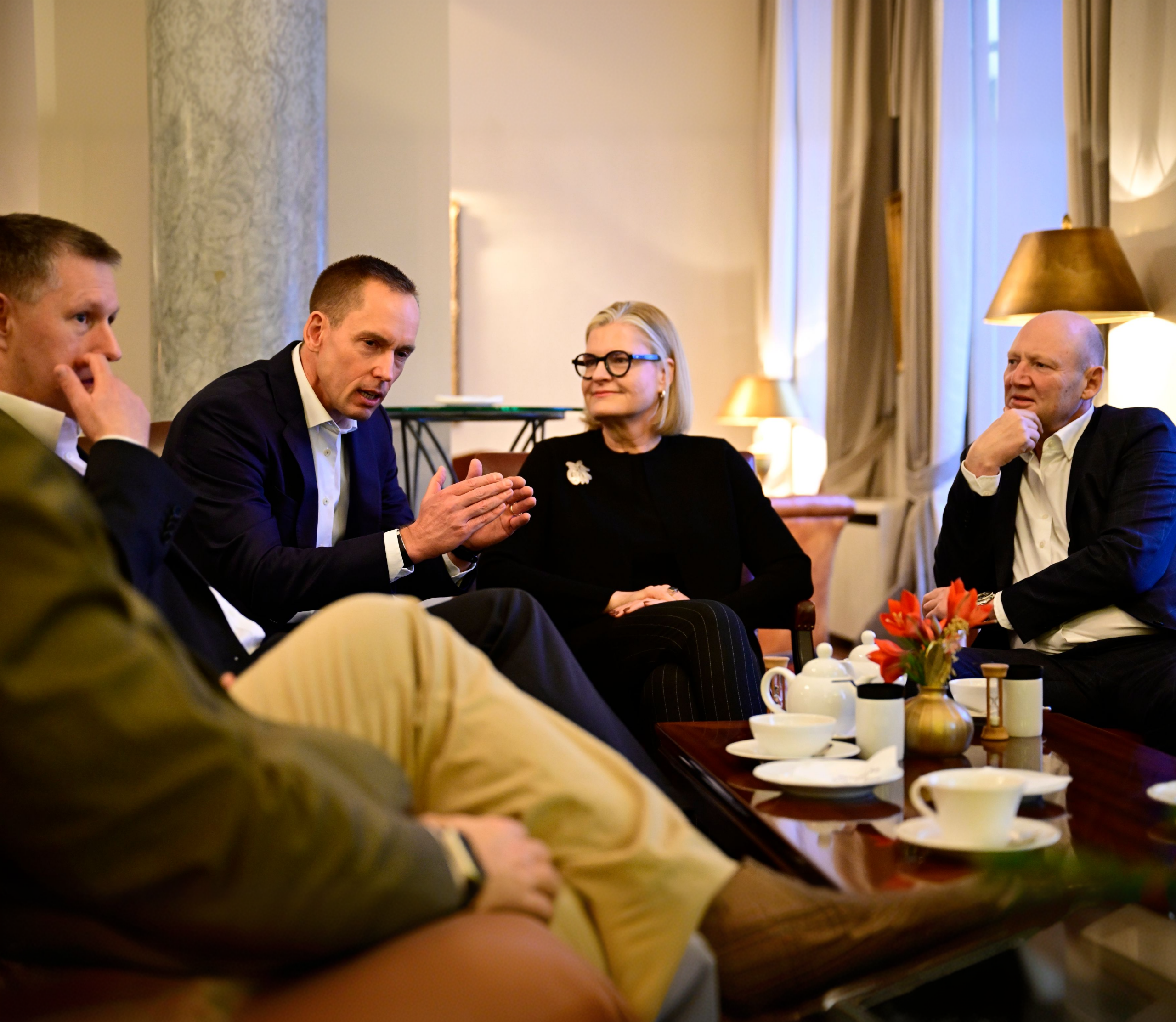

“We really went all out for the new service concept, and I think it turned out brilliantly. What do you think?”«
The IT manager expects generous back-patting, but the department heads look sheepish. This is not what enthusiasm looks like. The managing director clears his throat:
“Thank you, Jens, for the great work. We should explore this further in a working group and then make a decision.”«
The sales director swallows. What was that supposed to be? Two months ago the new CEO made big speeches about a productive culture of error and criticism when he took office, and now he does not have the guts to say how things really stand? He takes the plunge:
“Jens, with all due respect, but I cannot see much merit in this. The effort is completely disproportionate to the benefit. In my view, too many resources have already been poured into this concept. And since the working group will reach the same conclusion, we might as well skip it.”«
Unfortunately, a far too rare example. In most companies, you should be glad if at least one person is brave enough to speak up. People prefer to offer half-hearted (and therefore dishonest) praise or simply say nothing to avoid getting themselves into trouble.
But why is that the case?
Otherwise, you will burn out.

If you look at many typical cases, they can almost always be assigned to one of two categories:
The first pattern is a lack of courage and openness.
People are too cowardly to confront because they do not want to hurt anyone. We know from our own experience that criticism triggers feelings of shame and guilt and we do not want to inflict that on anyone else. But just because these feelings are so natural, they must not prevent us from speaking our mind and telling the truth in the interest of the company. Quite the opposite: delivered correctly and with full respect for the other person, these emotions are important triggers for change impulses. Misplaced consideration leads to cosy companies that remain stuck in mediocrity because of all the niceness.
Openness is the willingness to understand the other person – always bearing in mind that there is no ultimate truth that anyone can claim. When I am criticised, I must overcome my feeling of being attacked in order to deal with what has been said productively, rather than falling victim to a justification reflex. Every justification is an unreflected reaction to a feeling of shame or guilt. High-performance organisations do not justify themselves. They try to understand each other, to grasp why criticism is being voiced, in order to do better afterwards.
All of this may be understandable, because human beings are natural pain avoiders. Unfortunately, however, no growth is possible without pain. You can observe how inhibiting this principle is in other typical management cases too. I do not have to agree in the end once I have understood. But only when everyone has internalised the necessary courage and openness will we stop arguing about the last and supposedly only truth and instead be able to identify the best answers for the company that lie hidden within the conflict.
The second pattern leads into the abyss of human existence:
We do not argue to move a cause forward, but out of feelings of inferiority or malice. At last we can take revenge on a colleague in the department heads’ meeting for an old slight by trashing their customer project in front of the whole group. “I always said you would not pull it off” instead of: “How can we support you so it still succeeds?” To be quite honest: this form of malicious gloating is petty and unworthy of a manager.
Admittedly, courage and openness are exhausting. Nevertheless, they are the two sides of the medal of a professional culture of constructive conflict. Those who wear this medal around their neck with merit will not only become more innovative and productive but also generate an incredible amount of pride in themselves and their employees.
Yours, Matthias Kolbusa