


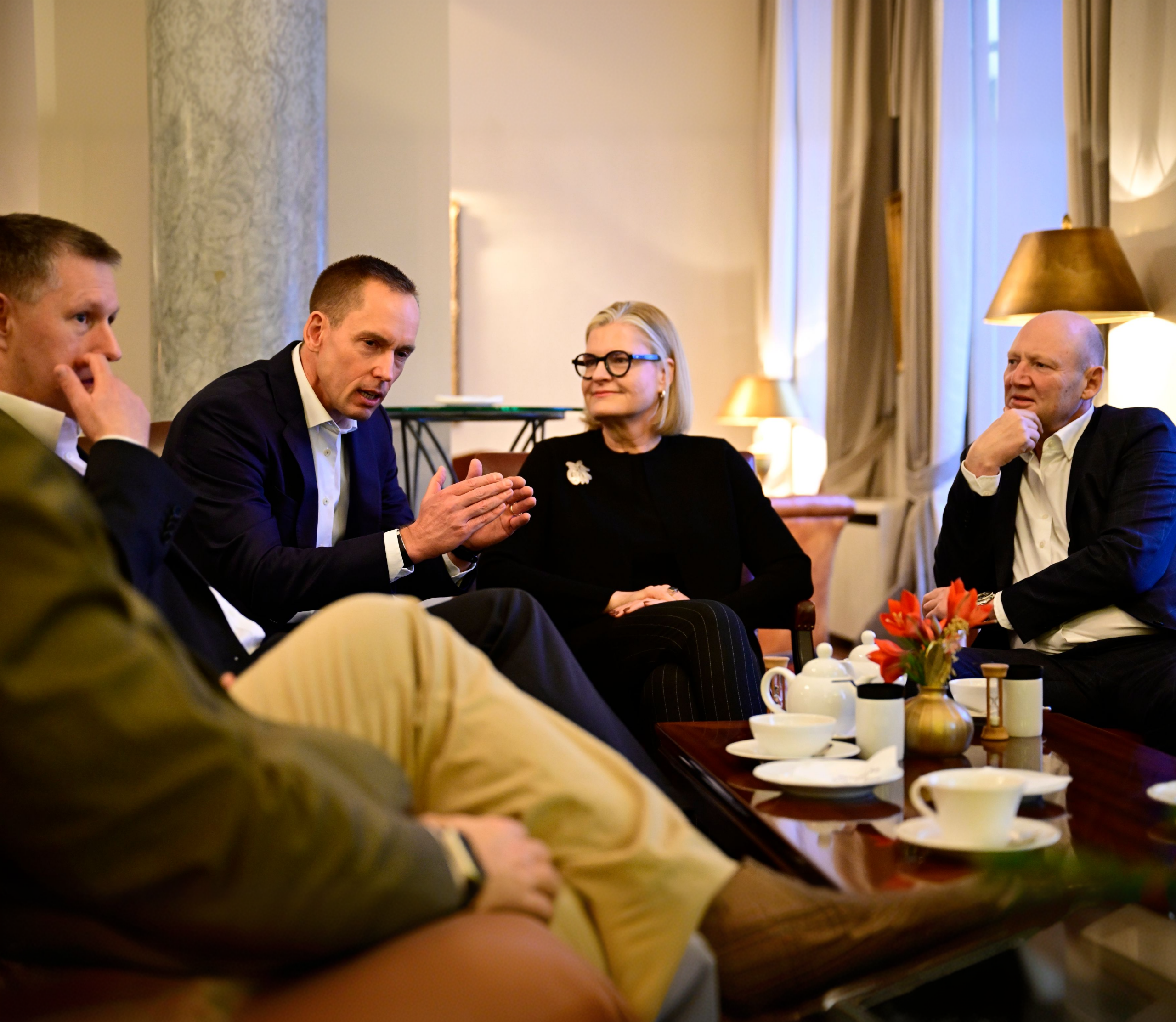

“How dare you? Sort out your own CRM project first – instead of telling me how to organise my sales team. I don’t have to take that kind of cheek from a newbie.”«
The words are barely out before the goal is already achieved: the young lateral thinker who has just landed his first leadership role is silenced. Why? Because he told the truth. Although he did so respectfully, argued cleanly and supplemented his point with a valuable alternative proposal, he is cut down in front of the entire team. What we are witnessing here is the brutal attempt by the head of sales to shrink a young high potential with great prospects into the same mediocre manager he himself is. And what does the group say in the leadership workshop? Nothing. An awkward silence descends. Everyone cowers before the hothead, careful not to pour oil on the fire for fear of getting burnt themselves.
To put it bluntly: anyone who does not speak up here is either lying deliberately – by concealing what they can see clearly – or has long since forgotten what truth in management means. Once untruth has become the culture, mediocrity is merely a waystation on the road to ruin.

The facets of untruth are many, and not all of them are outright lies: blame-shifting, excuses, sugarcoating, relativising, deflection, promises made against better knowledge, suppressing your own criticism, silencing the criticism of others, the forceful imposition of your own opinion, and much more besides.
“How dare you? Sort out your own CRM project first – instead of telling me how to organise my sales team. I don’t have to take that kind of cheek from a newbie.” The words are barely out before the goal is already achieved: the young lateral thinker who has just landed his first leadership role is silenced. Why? Because he told the truth. Although he did so respectfully, argued cleanly and supplemented his point with a valuable alternative proposal, he is cut down in front of the entire team. What we are witnessing here is the brutal attempt by the head of sales to shrink a young high potential with great prospects into the same mediocre manager he himself is.
And what does the group say in the leadership workshop? Nothing. An awkward silence descends. Everyone cowers before the hothead, careful not to pour oil on the fire for fear of getting burnt themselves.
To put it bluntly: anyone who does not speak up here is either lying deliberately – by concealing what they can see clearly – or has long since forgotten what truth in management means. Once untruth has become the culture, mediocrity is merely a waystation on the road to ruin.
In Organisations Without Truth, the Symptoms of Mediocrity Run Rampant:
- Silo thinking
- Cover-your-back culture
- Pseudo-consensus
- Lack of follow-through
- Execution weakness
- Lack of ideas
That is sad. And these are only some of the phenomena I encounter far too often. Unfortunately, it is all too typical that the few upright individuals are assimilated by the groupthink of the inert masses and before long behave in exactly the same way. In organisations deformed in this manner, pointless meetings are merely the visible tip of the iceberg. People douse each other in information that nobody is genuinely interested in. The main thing is that your own department looks good on the surface. When it is your turn, you long for the end of the slot because sugarcoating your shortcomings is so exhausting. After all, you might let something slip and give the others an opening they can use to deflect from their own deficits.
The reason for all these forms of untruth is usually our emotions, which we can meet with either maturity or immaturity. When we are immature, we link all our opinions, projects and approaches – everything we do – with our ego. When we receive criticism or pushback, we feel ashamed and guilty.
Yet as unpleasant as these emotions are, they are equally natural. So if we cannot prevent them, we must make the best of them:
- Why not smile at your own emotion: “Interesting – I am feeling shame.”
- Why not suppress the justification reflex and seek the insight: “I had not seen it that way. Please help me understand how you arrived at that.”
- Why not say courageously yet respectfully what we think, instead of biting our tongue because we do not want to get burnt.
Small egos that puff themselves up because they are immature in the face of their emotions prevent truth in management. Without truth, however, mediocrity becomes the highest attainable standard – and even that only with luck. The alternative is what I call Management beyond Ego: a way of managing based on truth, openness, fairness and courage towards yourself and others – beyond the pettiness born of wounded vanity. All you then still need is the will to make things genuinely uncomfortable for yourself and your team in pursuit of success beyond the comfort zone.
Yours, Matthias Kolbusa